
Mental Performance Coaching for Athletes
Helping athletes build confidence, manage pressure, respond better to mistakes, and perform more consistently when it matters.
Based in Tampa, FL | Virtual sessions available | 1-on-1 and group coaching
1-on-1 Coaching
Many athletes have the ability, work ethic, and desire to perform well, but struggle to consistently access those strengths when pressure, frustration, setbacks, or expectations enter the picture.
1-on-1 mental performance coaching gives athletes a structured space to build practical skills, understand their patterns, and develop a more consistent approach to training and competition.
-
Build a solid base of confidence that holds up beyond the last game, recent feedback, playing time, or a difficult stretch.
-
Learn how to handle nerves, stay composed, and compete with a clear and confident mind when the moment feels big.
-
Learn how to reset after mistakes, setbacks, or frustrating performances so one moment does not take over the next one.
-
Create routines, cues, and mental habits that help athletes stay connected to what matters most across practices and competition.
-
Rebuild trust, confidence, and readiness when returning to competition after injury, time away, or hesitation.
ASPP also offers team sessions and group workshops for schools, clubs, academies, and training facilities looking to build mental performance skills across their athletes. For more information, Click Here.
Start With a Free Consultation
A free consultation is a simple way to talk through current challenges, goals, and whether 1-on-1 mental performance coaching is the right fit. There is no pressure to commit. The goal is to understand what is going on and recommend the best next step.
About Allen Sport & Performance Psychology
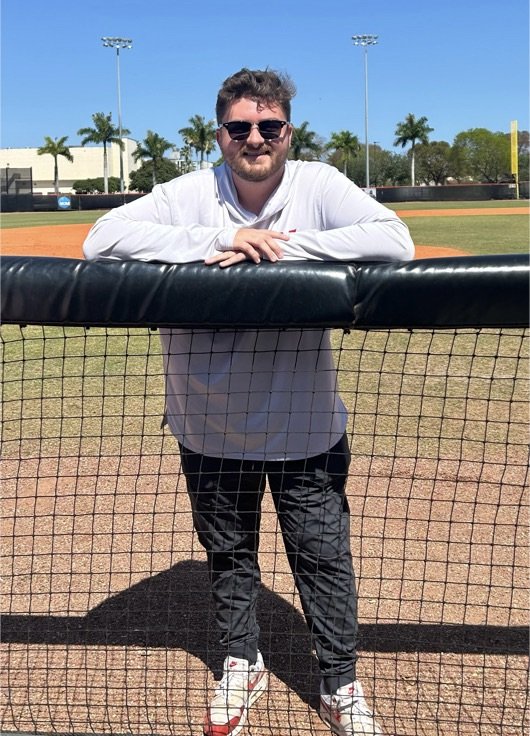
Allen Sport & Performance Psychology provides practical, sport-specific mental performance coaching for athletes, teams, and organizations.
Founded by Jack Allen, M.S., ASPP helps athletes build the mental skills needed to manage pressure, respond to adversity, and compete with greater confidence and consistency.
Jack holds a bachelor’s degree in Psychology from Florida State University and a master’s degree in Sport, Exercise, and Performance Psychology from Barry University. In applied settings, he has experience working with professional, college, and youth athletes across a variety of sports. His approach is evidence-based, individualized, and designed to help athletes apply mental skills in real training and competition environments.
Not Sure Where to Start?
Every athlete's journey is unique. Schedule a free consultation to discuss your specific situation and goals or view our services for more information.
How 1-on-1 Coaching Works
1
Understand the Athlete
We start by learning about the athlete’s sport, goals, strengths, challenges, and current performance patterns.
2
Build a Plan
Together, we identify the mental skills that can make the biggest difference and create a personalized coaching plan.
3
Develop Practical Tools
Athletes learn strategies for confidence, focus, pressure, mistake response, routines, self-talk, visualization, or return-to-play challenges.
4
Apply and Refine
The work is connected to practices, games, and real competitive moments so the athlete can build consistency over time.
Frequently Asked Questions
-
No. Mental performance coaching focuses on sport performance, not mental health treatment. Sessions are designed to help athletes build practical skills for confidence, focus, composure, routines, and response to pressure.
If an athlete’s needs fall outside the scope of performance coaching, an appropriate referral will be recommended.
-
Mental performance coaching can benefit athletes at many levels, including youth, high school, college, and professional athletes who want to improve the way they prepare, compete, and respond to challenges.
Common reasons athletes seek support include dips in confidence, pressure, overthinking, frustration after mistakes, inconsistent performance, slumps, or difficulty returning to competition after injury.
-
Sessions are tailored to the athlete’s sport, goals, personality, and current challenges. Depending on the athlete’s needs, sessions may focus on confidence, pressure management, focus, routines, self-talk, visualization, mistake response, goal setting, or return-to-play confidence.
The goal is to give athletes practical tools they can understand, practice, and apply in real training and competition situations.
-
Some athletes leave early sessions with strategies they can use right away. Lasting progress, however, comes from practicing and refining those skills over time.
Mental performance coaching works best when athletes are willing to reflect, try new tools, and apply what they learn between sessions.
-
Yes. Many athletes experience nerves, pressure, or overthinking before and during competition. Mental performance coaching helps athletes develop tools for composure, focus, confidence, and competing with more control.
The goal is not to eliminate nerves completely. The goal is to help athletes understand their response and compete effectively when those feelings show up.
-
Mental performance coaching is not about pretending everything is positive. It is about helping athletes understand their patterns and build practical tools they can use when competition becomes difficult.
This may include routines, self-talk, focus cues, breathing strategies, visualization, reset plans, and process-based goals.
-
Yes. Mental performance coaching can support athletes during the return-to-play process by helping them rebuild trust, confidence, and readiness after time away from competition.
This may include working through hesitation, fear of reinjury, confidence loss, frustration, or the challenge of feeling physically cleared but not fully comfortable competing yet.
-
Both. ASPP provides 1-on-1 coaching for individual athletes as well as team sessions, group workshops, and organization-level support for schools, clubs, academies, and training facilities.
Team services can focus on topics such as confidence, focus, pressure, leadership, communication, routines, adversity response, and team culture.
-
Parent involvement depends on the athlete’s age, needs, and preferences. For younger athletes, parents may be included in scheduling, goals, and general updates. With older athletes, sessions typically become more athlete-centered while still keeping parents appropriately informed.
The goal is to support the athlete’s growth while respecting trust, privacy, and independence.
-
The best first step is a free consultation. During the consultation, we’ll discuss the athlete’s sport, current challenges, goals, and whether mental performance coaching is the right fit.
There is no pressure to commit. The goal is to understand what is going on and recommend the best next step.
Contact Us
If you’re interested in collaborating, please provide your information, and we will contact you soon. We look forward to connecting with you.